The “Why” Behind the Work: Social Workers in Adolescent Health
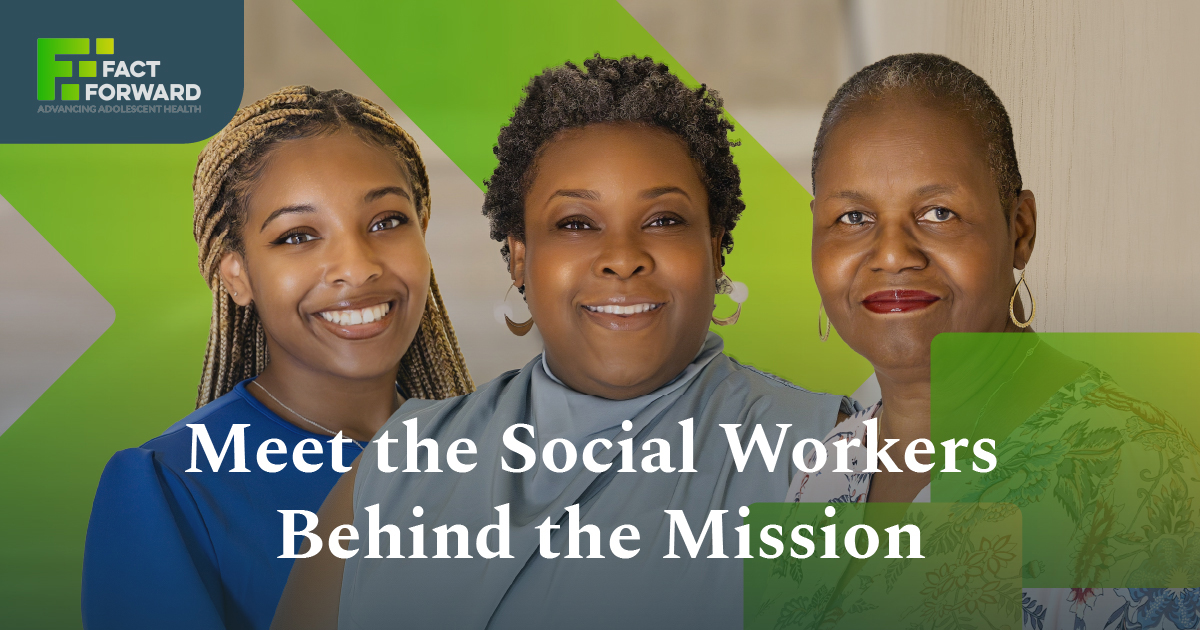
Behind every training, resource, and conversation at Fact Forward is a deeper intention to ensure that young people feel seen, heard, and supported. This Social Work Month, we are highlighting three of the social workers behind that mission, each bringing their own experiences, perspectives, and passion to the work. While our roles may look different day to day, we are united by a shared belief that when young people are equipped with the right information, support, and space to grow, they have the power to make informed decisions and thrive. Social work at Fact Forward extends beyond traditional settings. It shows up in how we design programs, support communities, center youth voices, and advocate for healthier futures. In the reflections below, we share a glimpse into our journeys, how we use social work in this space, and why this work matters in advancing adolescent health.
Brittany Sydnor, MSW, LCSWA
Digital Media Specialist
Experience being a social worker
My journey into social work didn’t start in a traditional clinical space. It started with a passion for public health and a deep curiosity about how people make decisions, especially about their bodies, relationships, and overall wellbeing. This influenced my decision to pursue my MSW. I realized that so much of what shapes those decisions is rooted in how people are supported, or not supported, in their environments. As a social worker, I’ve learned to look beyond the surface. To understand the “why” behind behaviors, to hold space without judgment, and to recognize the impact of systems, relationships, and past experiences on present day choices.
How you use social work skills at Fact Forward
At Fact Forward, my role may sit in communications, but my approach is rooted in social work. Every piece of content, every campaign, and every story we tell is an opportunity to center people intentionally, respectfully, and authentically.
I see myself as a bridge-builder. Someone who connects the micro experience of individual healing with the macro lens of public health. I use social work skills to ensure that the information we share is not only accurate, but also accessible, affirming, and grounded in empathy. Whether it’s translating complex topics into relatable messaging or uplifting youth-centered narratives, I’m always thinking about how our work can meet people where they are.
Why social work matters in adolescent health
Social work matters in adolescent health because young people are navigating some of the most formative and complex stages of their lives. They are developing their identities, building relationships, and making decisions that can impact their futures, often while facing barriers, stigma, or a lack of support.
Social workers bring a lens that prioritizes the whole person. We consider emotional wellbeing, environmental factors, relationships, and access to resources, not just outcomes. In adolescent health, that lens is critical. I believe that when people are seen, heard, and supported, they have the power to make informed choices and thrive in every area of their lives. Social work helps create the conditions for that to happen, not just at the individual level but across communities.
Carol Singletary, MA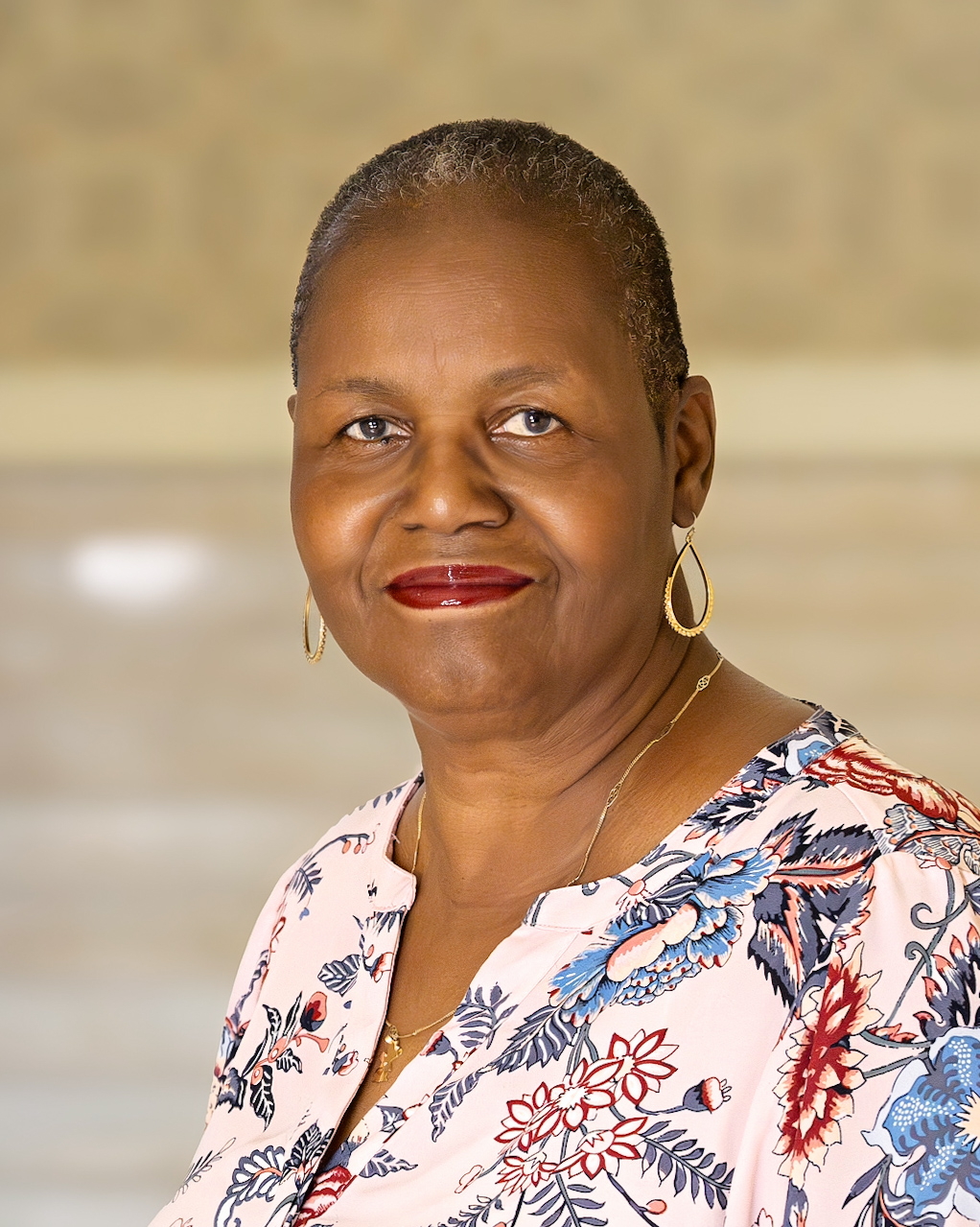
Senior Advisor for Outreach
Experience being a social worker
My life as a social worker began long before I received any formal professional training—I was first trained by my parents. Through their example, I learned what it truly means to help others. They spent their lives giving and supporting those in need. While sometimes that meant helping family, more often it meant serving people in our community.
Because of this foundation, choosing a career rooted in servant leadership was always important to me. During my years working with the Department of Social Services, I believed that addressing the needs of children and families was not just a job—it was a responsibility and, at times, an obligation to go beyond what was required to ensure positive and lasting outcomes.
I worked in two of the most demanding areas: Child Abuse and Neglect and Sexual Abuse Protective Services. To be effective in those roles required both strength and compassion. The impact of that work became clear years later, when young people—and sometimes their parents—reached out to thank me for supporting them during some of the darkest moments of their lives.
How you use social work skills at Fact Forward
The same skills I used while providing direct services continue to guide my work at Fact Forward. Listening to the needs of our partners and following through to ensure their success is essential. For me, showing compassion—even when it requires going above and beyond—is what makes this work truly rewarding.
Why social work matters in adolescent health
Today’s adolescents face challenges unlike any previous generation. It is critical that we are prepared to listen to their needs and understand their perspectives, while also being mature and intentional enough to guide them toward positive, lasting outcomes. It can be easier to take the path of least resistance, especially when we, as adults, are often just as overwhelmed as the young people we serve. However, if we truly want to make a lasting impact, we must remain committed to compassion, guidance, and advocacy.
Most importantly, we must model the behaviors and values we hope to see in our adolescents.
Meredith M. Talford, MPH, CHES
Deputy Director
Experience being a social worker
When I chose to major in social work, I didn’t have a neatly mapped-out career plan. I read the core values of social work, and something clicked. I remember thinking, that is who I want to become. Shortly thereafter, my first unofficial role in the field was supporting my neighbor as she navigated support services as a young parent.
The value that shaped me most was the dignity and worth of every person. It became a lens through which I saw the world and guided me to work with individuals living with HIV, ensuring they were not reduced to a diagnosis, but seen as whole people with stories, strengths, and futures. It also led me to become a foster parent in my early 20s, opening my life to children who needed stability, structure, and someone to just love on them.
How you use social work skills at Fact Forward
Once I made the decision to pivot from direct service and enter the world of Public Health, it looked like a shift away from social work. Today, my work lives in SOPs, strategic plans, annual reports, and grant applications. But I will never forget what those things really represent. Behind every data point is a young person. Behind every proposal is a community. Behind every HR policy, are my coworkers. Social Work is the way I lead.
Why social work matters in adolescent health
I love this question because it’s an opportunity to remind people that social work isn’t solely a recuse profession. Every young person can benefit from the services of a social worker, not just youth in care. Social workers are here to nurture all young people, no matter the circumstances, so they can thrive all the way into adulthood.